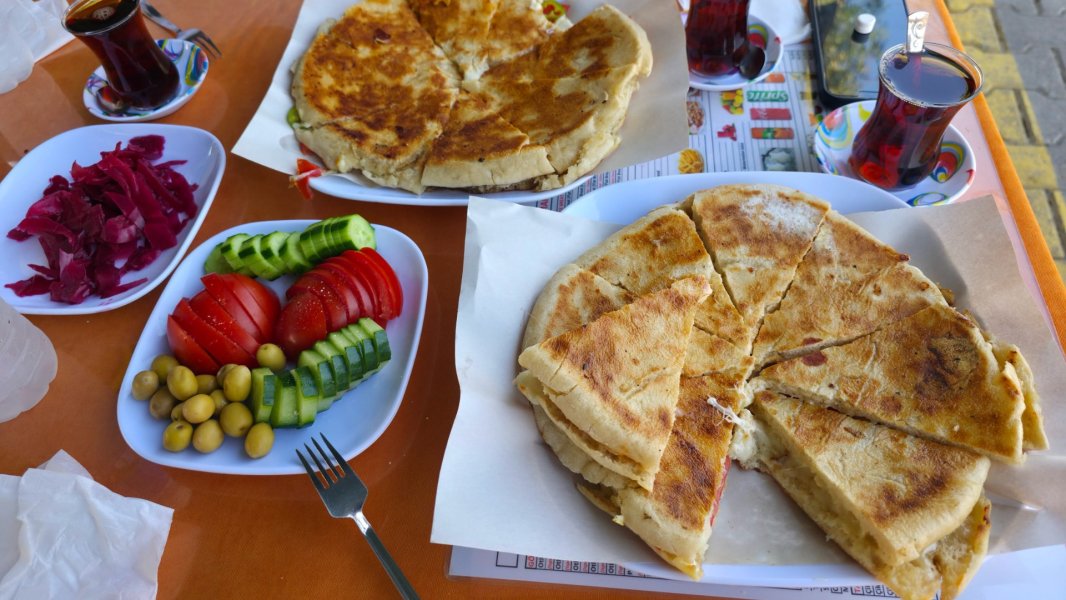
Every flavor has a story, but some flavors tell the essence of an entire culture. Every dish served in the highlands of Seydikemer, nestled on the majestic slopes of the Taurus Mountains, is a reflection of the deep bond the Yörük people have established with nature, their animals, and the unerring rhythm of the seasons. This cuisine does not chase after elegant presentations or complex recipes; it draws its strength from simplicity, labor, and a profound respect for what comes from the earth. I now invite you on this authentic flavor journey that will leave a mark not only on your palate but also on your soul.
Kavurma: More Than a Dish, a Highland Ritual
The meat from sheep and goats that graze freely on the highlands of Seydikemer, especially on the slopes of Akdağ Mountain adorned with a thousand varieties of herbs, has a unique taste. This is because the meat holds not just protein, but the aroma of mountain thyme, wild mint, and countless flowers. The famous highland kavurma comes to the table as a gift from this unique nature. This is not merely a food preparation; it is a social event, often bringing families and neighbors together in a collective effort (imece). The crackling of the wood fire under giant cauldrons, the sizzling sound as the meat meets its own fat, and the intoxicating aroma that fills the air... These are the sounds of life and abundance in the highlands.
Slowly cooked for hours in its own fat, the meat virtually seals in its flavor. This method is not only a preservation technique from the days before refrigeration but also imparts an incredible aroma to the meat. After cooking, the kavurma is typically packed into large tins or earthenware pots, where it stays fresh for months in a cool place. Making kavurma is the most crucial step in winter preparations. At every festival, every wedding, or when a cherished guest arrives, those tins of kavurma are opened. A plate of kavurma served at the table is the most heartfelt way of saying, "Welcome, our home is your home," in the mountain villages of Seydikemer.
Tulum (Skin) Cheese: The Embodiment of Time and Patience
Forget for a moment the industrial cheeses that line the shelves of modern markets. Meet one of the most authentic and boldest flavors of the Taurus Mountains: Deri Peyniri, or as it's locally known, "Tulum cheese." Its production is an example of true craftsmanship from start to finish. A carefully selected goat skin (tulum) is cleaned, salted, and prepared for the cheese. The cheese, made from the rich, freshly milked milk of highland goats and sheep, is drained and then tightly packed into these skins, leaving no air inside. It is then left to its fate for months, sometimes up to a year, buried in the earth or stored in cool cellars.
The flavor that emerges at the end of this wait is an experience difficult to describe in words. The sharp aroma that fills the air when the skin is opened is the first sign of its vibrant and natural character. The slightly sour, intense, and earthy flavor that spreads across your palate with the first bite instantly transports you to the pure nature of the highlands. Crumbly yet melting in the mouth, this cheese is not a factory product; it is the fruit of natural fermentation, patience, and a millennia-old tradition. When eaten with fresh walnuts and warm village bread, you understand that it is a living symbol of the ancient food culture of the Taurus highlands.
Village Bread: The Mainstay of the Table
Although it has become popular in tourist areas in recent years under the name "bazlama," to taste the real and most delicious version, one must go to the high villages of Seydikemer. There, the smell of village bread baking in wood-fired stone ovens or on a sac griddle will draw you in from meters away. Usually made from nutrient-rich whole wheat flour ground in local mills, its ingredients are simple: flour, water, salt, and yeast. But the secret to its flavor lies in the skilled hands of the baker, the purity of the water, and the smoky aroma of the wood fire.
The moment you break open that steaming hot bread fresh from the oven and place a piece of fresh highland butter or a crumble of Tulum cheese inside, you have defined happiness in its simplest and most delicious form. In that moment, you realize that sometimes the most unpretentious thing is, in fact, the most satisfying.
Gözleme: A Paper-Thin Happiness on the Sac
Undoubtedly, one of the most practical and beloved delicacies of highland life is gözleme. But this is very different from the thick-dough versions you might eat in cities. In the highlands, gözleme is made with the delicacy of an art form. Experienced hands, sitting on a cloth spread on the floor, roll out the dough paper-thin with a rolling pin. Inside this delicate pastry go the bounties of the highlands: fresh herbs gathered from the mountains (mallow, nettle), crumbles of homemade Tulum cheese, or a pinch of the kavurma mentioned earlier.
Once folded, the pastry is placed on the black sac, a convex iron griddle heated by a wood fire beneath it. The sight of the dough puffing up in seconds, sizzling as it cooks, and the delicious smell as melted butter is brushed on top is an appetite-whetting spectacle in itself. Served hot with a glass of frothy, cool ayran (a yogurt drink), a warm gözleme is one of the indispensable pleasures of the highland table.
Snow Sherbet: The Primitive Ice Cream of the Taurus Mountains
When you take refuge in the coolness of the highlands from the scorching summer heat, the most surprising and refreshing treat you can be offered is undoubtedly snow sherbet. This tradition is proof of how cleverly the Yörüks use the cycles of nature. Snow, collected during the winter from high, north-facing mountain slopes or packed into specially dug, stone-lined pits called kar kuyuları (snow wells), is covered with branches and earth and preserved until the next summer.
When one of these wells is opened in the heat of August, even the blast of icy air that escapes is enough to cool you down. The snow is meticulously crushed in a large bowl, and all-natural grape molasses, homemade black mulberry syrup, or sour cherry jam juice is drizzled over it. The riot of color that appears as you mix it with a spoon and the icy coolness that flows down your throat with the first sip takes all your fatigue away. This is not just a drink; it is the natural and energizing coolness of the Taurus, carrying the wisdom of an age without electricity and freezers.
The Soul of the Highland Table: More Than Just a Bite
The Seydikemer highland cuisine does not feature ostentatious presentations or complicated recipes. Its strength lies in its simplicity and naturalness. In the richness of the kavurma, the sharpness of the Tulum cheese, the warmth of the gözleme, or the coolness of the snow sherbet, with every bite you taste the labor, the generosity of the earth, and the Yörük philosophy of living in harmony with nature. When you sit at this table, you don't just fill your stomach; you also witness a deep-rooted cultural heritage. Perhaps that is why it provides a sense of satisfaction that cannot be found even in the most luxurious restaurants.
If your path ever leads you to this region, take the time not only for its sea and sun but also to turn your gaze to the mountains and pursue these authentic flavors. Because the most delicious way to get to know a real culture is undoubtedly through its cuisine.
Related Articles
Saklıkent Tour from Seydikemer
Saklıkent Tour from Seydikemer, Saklıkent Canyon 2025, Saklıkent entrance fee, S...

Is a Honeymoon in Seydikemer Possible?
Wondering if a honeymoon in Seydikemer is possible? Absolutely. In fact, it offe...
Discover Seydikemer in a Day: An Adventure-Filled Route from Tlos to Saklıkent
Discover Seydikemer in one day! Follow this action-packed itinerary from Fethiye...
Article Information
Table of Contents
Do you have a question?
If you have any questions regarding this article, please do not hesitate to contact us. Your feedback and suggestions are valuable to us.