Yörük Feast: Traditional Spit-Roasted Kid Goat
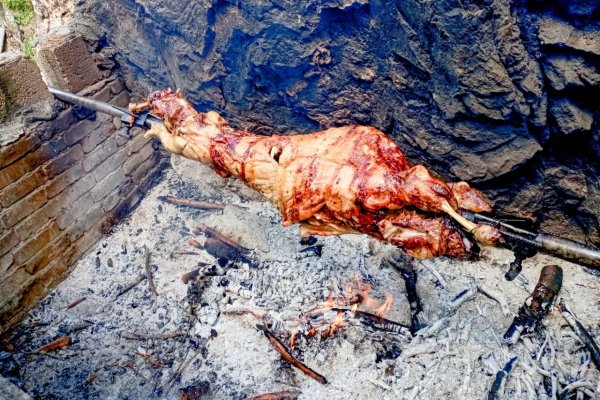
If there is a celebration in the Seydikemer highlands, a wedding being held, or a cherished guest arriving from afar, the most special dish on the table is certain: Oğlak Çevirme (Spit-Roasted Kid Goat). This is more than just a meal to satisfy hunger; it is a community gathering ritual, a symbol of feasting and abundance. The aroma of the crackling skin and tender meat of the goat, slowly turning for hours before a wood fire, creates one of the most unforgettable memories of highland life.
Step 1: The Finest Choice (Kid Goat or Lamb)
The first and most important rule of this dish is selecting the right animal. For the pinnacle of flavor, a "milk-fed kid goat" (süt oğlağı) or a "milk-fed lamb" (süt kuzusu) that has not yet started grazing is preferred. The meat of these animals is both more tender and has a milder flavor. A master's eye can immediately discern the animal's youth and fat ratio.
Step 2: Preparation Before Meeting the Fire
The secret to spit-roasting a kid goat is to avoid complex marinades that would overshadow the meat's own flavor. In the traditional method, the preparation is extremely simple:
- The cleaned animal is rubbed inside and out with plenty of rock salt.
- Sometimes, to enhance the flavor slightly, a paste is made by mixing salt with mountain thyme and olive oil, which is then rubbed all over the meat.
- The prepared goat is skewered on a long iron or wooden spit and left to rest for a while before being brought to the fire.
- Constant Turning: The goat is cooked by the heat of the embers, without touching the fire. To ensure that every part of the meat cooks evenly, retains its juices, and the skin turns a deep golden-brown, it is turned continuously at a slow, steady pace. This process takes hours.
- Basting: The fat that drips from the meat during cooking is collected in a pan. Occasionally, this fat is brushed back onto the skin, which both helps the skin to remain crispy and prevents the meat from drying out.
- The Check: A master cook knows when the meat is done from its color, the tautness of the skin, and the aroma. When the meat comes away from the bone easily, the feast is about to begin.
Step 3: The Heart of the Matter: Building the Fire
The fire for spit-roasting should not be a raging flame but rather glowing embers (köz) that radiate heat slowly and evenly. For this reason, the fire is lit at least an hour before the roasting begins, typically using hardwoods like oak that burn for a long time and provide a clean, smoky flavor. When the wood has completely burned down to embers, the constant temperature required for perfect cooking is achieved.
Step 4: The Art of Patience: The Cooking Process
The skewered goat is placed over the bed of embers, neither too close nor too far. Now, patience and mastery take center stage:
Step 5: The Feast Begins: Serving
After hours of labor, the cooked goat is taken off the spit and placed on a large tray or platter. It is not elegantly sliced; it is usually served by being broken into portions by hand or with large knife strokes. The most prized part is the crispy skin. It is always accompanied by freshly baked village bread, a simple shepherd's salad of tomatoes and onions, and frothy churned ayran. The entire focus is on the pure, natural flavor of the meat.
Conclusion: To eat Oğlak Çevirme is to share in a community's happiest day. It is not just the meat that turns around the fire, but also the conversations, stories, and shared memories. That is why every bite leaves a deep impression not only on the palate but also in the heart.
Reviews
No reviews yet