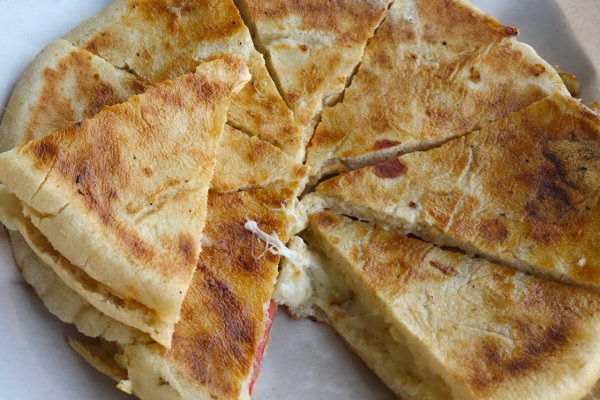
Traditional Seydikemer Village Bread (Bazlama)
If smoke is rising from a chimney in the Seydikemer highlands and a wonderful aroma is spreading through the air, know that either a feast is underway or something just as precious is being made: Village Bread. This bread, known as "bazlama" in cities, is not just a food item in the highlands; it is the assurance of the table, a companion to every dish, and an excuse for conversation. Its secret lies not in complex ingredients, but in the purity of the flour, the taste of the water, and the labor of the hands that bake it.
Step 1: The Humble Beginning: The Dough
The dough of a true village bread is as simple and unpretentious as nature itself.
- Ingredients: Usually, whole wheat flour milled in the region's own mills, spring water from the village fountain, a pinch of salt, and a piece of sourdough starter from the previous batch or a bit of fresh yeast. The key to the flavor is the quality of these simple ingredients.
Kneading and Rising: In a large wooden trough (hamur teknesi*), a well is made in the center of the flour, where the water and yeast are combined. With strong arms, the dough is kneaded for a long time until it is smooth and elastic. Covered tightly with clean cloths, the dough is left to rise in a warm corner next to the hearth for 1-2 hours until it at least doubles in size.
Step 2: Preparing the Loaves
The air is punched out of the risen, bubbly dough. Pieces slightly larger than an orange are torn off, depending on the desired bread size. These pieces are rolled on a floured surface to form round balls (bezeler). The prepared balls are covered and left to rest for another 15-20 minutes for a final, shorter rise.
Step 3: The Trial by Fire: Cooking Methods
In the Seydikemer highlands, bread is baked using two primary methods, each giving the bread a distinct character.
Method A: On the Sac (Bazlama): This is the most common method. The rested dough balls are flattened by hand or with a short rolling pin (merdane*) into round discs about a finger's thickness. They are placed on a hot sac, a convex iron griddle with a wood fire burning underneath. Within seconds of hitting the heat, the bread begins to puff up and swell like a pillow. Once one side is cooked, it is quickly flipped to cook until brown spots appear on the other side as well. Bread cooked on the sac is softer.
Method B: In the Stone Oven (Köy Ekmeği): This method is used to bake larger quantities of bread at once. The village's communal, wood-fired stone oven (kara fırın) is heated until it's scorching hot. The flattened doughs are placed directly onto the hot stone floor of the oven using a long wooden peel (fırın küreği*). The intense, dry heat gives the bread a crispy crust and a soft interior, along with a slightly smoky aroma.
Step 4: The Moment of Bliss: How to Eat it Hot
This is the magical moment when all the labor is rewarded. The most delicious time to eat the bread is in the first few minutes after it's taken from the oven or sac.
The steaming bread is torn in half, and fresh butter from the Seydikemer highlands is immediately spread inside. As the butter melts from the heat and seeps into every pore, highland Deri Cheese is crumbled on top, and for an extra level of flavor, a pinch of red pepper powder is sprinkled over. This is perhaps the simplest yet most delicious sandwich in the world. Served this way with a cup of tea, it can be a meal in itself. It is also indispensable alongside soups, under kavurma, or with honey and clotted cream for breakfast.
Conclusion: A piece of Village Bread is not just flour and water. It embodies the bounty of the earth, the purity of the water, the power of the fire, and the warmth of human labor. If an oven is lit in a village, it means there is life, sharing, and hope in that village.
Reviews
No reviews yet