The Ancient Secret of the Taurus: The Making of Traditional Deri Peyniri (Tulum Cheese)
Deri Peyniri, the most characteristic flavor of the Seydikemer highlands, emerges from a combination of patience, mastery, and the generosity of nature. This cheese is not produced in a factory; it is shaped in the highlands by hands that carry centuries of knowledge. Here are the steps of that arduous yet incredibly valuable journey:
Step 1: The Highest Quality Milk: Pasture Milk
It all begins with the milk. The secret of Deri Peyniri is hidden in the milk of goats and sheep that feed on a thousand varieties of herbs on the slopes of Akdağ mountain. These animals roam freely (yayılır), which makes their milk both very fatty and aromatic. Fresh, raw milk, usually milked in the early hours of the morning, is used for the cheese. The milk is never pasteurized because the natural bacteria and yeasts within it are the first seeds that will form the unique character of the cheese.
Step 2: Preparing the Casing: The Tulum
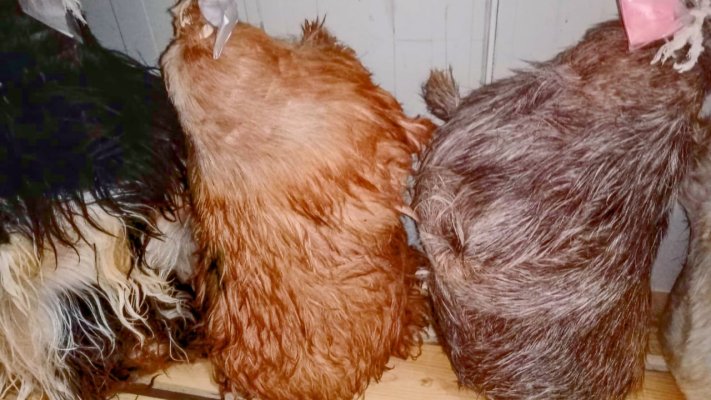
The "skin" (deri), or tulum, which gives the cheese its name and a significant part of its aroma, is meticulously prepared, usually from the hide of a 1- to 2-year-old goat.
- After the hide is skinned, any remaining meat and fat residues are carefully cleaned off.
- It is rubbed with plenty of rock salt with the furry side facing inwards and left like this for a few days. This process both cleanses and toughens the hide.
- Afterward, the hair is scraped off, the hide is washed again, and it is dried in the sun or wind to be ready for the cheese-making process. The leg and neck openings are tied tightly to be airtight, leaving only one opening.
Step 3: The Art of Curdling: Şırdan Rennet
In the highlands, cheese is made not with industrial rennet but with natural rennet obtained from the stomach of a kid or lamb, called şırdan. The fresh milk is brought to a temperature close to body heat (around 30-35°C / 86-95°F). Şırdan rennet is added, and the milk is covered and left undisturbed to coagulate (form a curd, or teleme) for about 1-2 hours.
Step 4: Separating from its Water: The Draining Process
The coagulated curd is broken into small pieces with special tools called "cheese knives" or by hand. This action helps the cheese to release its bitter water (whey) more easily. The broken curd is then packed into clean, tightly woven cloth bags. The mouths of the bags are tied securely, and heavy stones are placed on top of them to press out all the water, leaving them under pressure for 1-2 days.
Step 5: The Seal of Flavor: Salting and Crumbli
The cheese blocks, now completely drained of their whey and hardened, are removed from the bags. This cheese is then crumbled or broken by hand into a large basin. A generous amount of coarse rock salt is added and kneaded thoroughly. The salt not only increases the cheese's durability but also helps to deepen its flavor during the maturation process.
Step 6: The Great Union: Packing the Cheese into the Tulum
Now, the cheese is ready to meet its vessel. The salted cheese crumbles are packed into the prepared tulum, handful by handful, pressing down firmly. This step is crucial; there must be absolutely no air pockets left inside, or the cheese could spoil. Once the tulum is completely full, its opening is also sewn shut to be airtight.
Step 7: The Test of Patience: Maturation
The filled tulums, lightly salted on the outside and pricked in a few places with a needle to allow any final trapped air to escape, are now left to rest. The cheeses are aged in cellars (mahzen) or cool caves in the highlands for at least 3-4 months, and sometimes for more than a year. During this time, the enzymes and microorganisms within the cheese get to work; the cheese sweats, loses water, hardens, and acquires its well-known sharp, slightly tangy, and unique aroma.
Conclusion: What emerges when the tulum is opened at the end of this process is not just a cheese, but the embodiment of a culture, a geography, and immense labor. That is why every single bite of Seydikemer Deri Peyniri is so precious.
Reviews
No reviews yet